
SHP’s Back-to-School Checklist for Pet Families
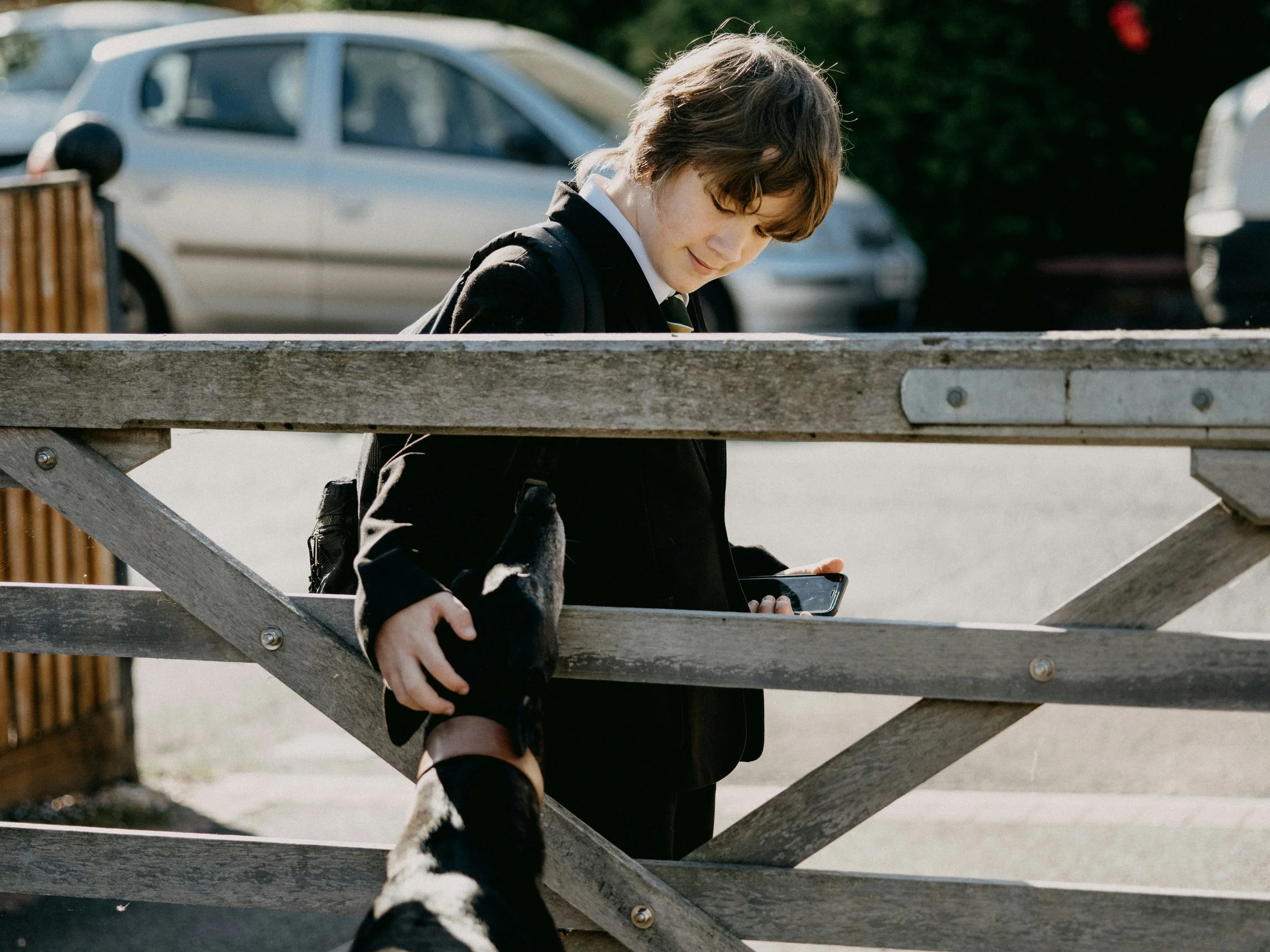
Photo by Annie Spratt on Unsplash
While you’re managing supply lists, new schedules, and early alarm clocks this week with back-to-school season in full swing, your dogs and cats are quietly (or not so quietly) processing a shift of their own.
After a summer full of company, activity, and people underfoot, an empty house from morning until afternoon is a genuinely big adjustment for a pet. Most adapt well, but a little extra care this week goes a long way.
✔️ Consider your pet’s perspective
Dogs in particular are creatures of routine, and they’ve spent three months calibrating to summer. For many, this has meant later mornings, kids around, and generally busier, noisier household.
The sudden shift to quieter days isn’t distressing in any permanent way, but it can cause restlessness, boredom, and in some pets, real anxiety in the first week or two.
Watch for signs like destructive behavior, accidents indoors, excessive barking, or a frantic greeting when you get home. These usually settle as the new routine becomes familiar.
✔️ Help your dogs settle in to their new routine by including them in yours
The most effective thing you can do right now (even if school has already started) is establish a consistent morning routine before the house empties. A good walk or few minutes of active play before departure helps your dog head into alone time ready to relax rather than wound up.
When your family gets home at the end of the day, give pets a real reunion by building a longer walk, play session, or other way to signal the day is over and you’re back.
✔️ Calm departures & plans for quieter time
Keep morning departures calm. Dogs read our cues, and extended emotional goodbyes tend to heighten the anxiety around family members leaving rather than ease it.
Frozen stuffed chews, snuffle mat with scattered kibble, or puzzle feeders all give your dog a task during those first quiet hours. Pair it with some low background noise (like the television or sound machine at low volume) and your pet has a much more comfortable environment to settle into.
✔️ Keep an eye on even the most independent cats
Cats often adapt to back-to-school changes more quietly, but that doesn’t mean they’re unaffected. If your cat seems more vocal, is hiding more, or has shifted their appetite, it’s likely routine-related.
A few minutes of interactive play before you leave and some environmental enrichment (anything from a window perch to a new box to investigate) can help ease the transition.
✔️ Remember that back-to-school is a big adjustment for the whole family!
If after a few weeks you’re still seeing significant changes in your pets (accidents indoors, destructive behavior, signs of real distress) it’s worth a conversation with your vet. But for most pets, the answer is simply time and a predictable schedule they can count on.
From everyone at Sunny’s Helping Paws, we’re wishing all the students, parents, and teachers in our community a wonderful school year ahead.
Back-to-school is a predictable transition.
Some disruptions aren’t.
If you or someone you know is facing a health challenge that’s making pet care suddenly complicated, Sunny’s Helping Paws is here for exactly that.
Learn more about our services, get involved as a volunteer, or reach out if you or someone you know needs support this summer.

Blog contribution by Sophie Foxman, SHP Communications and Marketing Director.
This blog post was compiled from guidance published by the American Kennel Club, Animal Humane Society, and VCA Animal Hospital. It is intended for general educational purposes and does not replace individualized veterinary advice.
